
QUICK ANSWER
Shibuya Crossing is the world’s busiest pedestrian intersection, with up to 3,000 people crossing every 2 minutes at peak times. The crossing sits directly outside Shibuya Station’s Hachiko Exit and is completely free to walk. The best time to visit is 5:00 PM to 8:00 PM on weekdays for peak crowds with illuminated billboards. Top viewpoints include Shibuya Sky observation deck (2,500 yen, 230 metres high), Mag’s Park rooftop, Starbucks above the crossing, and the free Mark City Bridge. Plan 2 to 4 hours minimum to experience the crossing, Hachiko statue, surrounding shopping at Shibuya 109 and Center Gai, plus food at Nonbei Yokocho. For a guided introduction to Shibuya combined with Harajuku, Asakusa, and other Tokyo highlights, our private Tokyo city day tour with English speaking driver includes hotel pickup and a fully customised route.
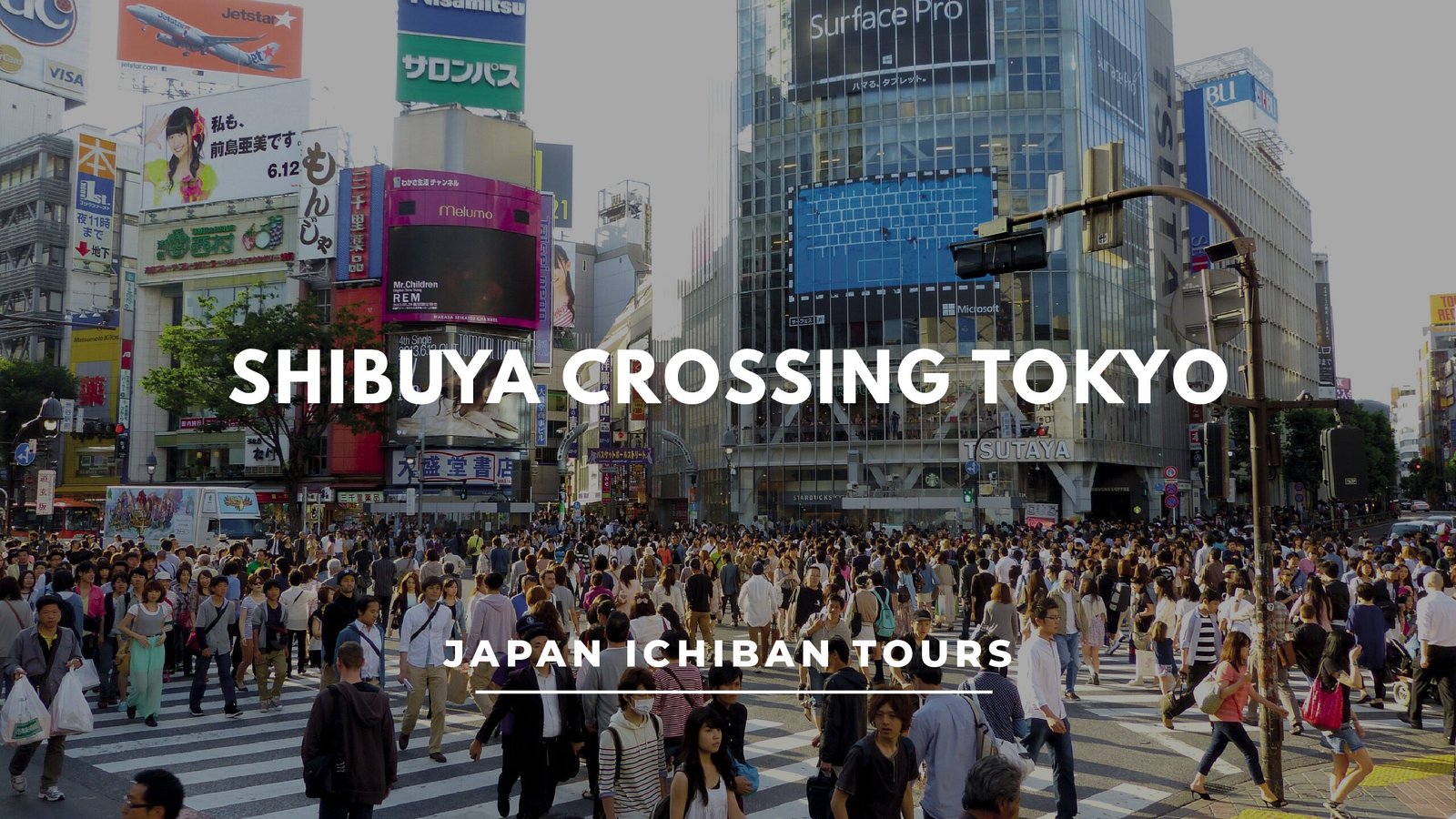
Shibuya Crossing is the single most recognisable street level image of Tokyo and one of the most photographed locations on earth. With an estimated 2.4 million pedestrian crossings per day flowing through a five way scramble intersection, the spectacle has become the visual shorthand for modern Japanese urban life, featured in countless films from Lost in Translation (2003) to the latest Mission Impossible blockbusters. Yet beyond the famous crossing itself, the surrounding Shibuya district is one of Tokyo’s most energetic neighbourhoods, packed with shopping, nightlife, observation decks, hidden alleyway bars, and the relentless creative energy that has made it the birthplace of countless Japanese fashion, food, and music trends since the 1970s.
This guide is written by the team at Japan Ichiban Tours, based on real operational experience guiding international visitors through Shibuya as part of our private Tokyo city tours. Every viewpoint, restaurant, timing recommendation, and insider tip reflects the current April 2026 reality, including updated Shibuya Sky pricing, the newly reopened Miyashita Park complex, current Halloween crowd restrictions, and the precise rush hour timing that separates a magical Shibuya experience from a frustrating tourist crush. Whether you have 1 hour to spare or a full evening, this guide tells you exactly how to maximise your visit.
Is Shibuya Crossing Worth Visiting?
Yes, without question. Shibuya Crossing is genuinely worth the hype, particularly for first time Tokyo visitors who want to feel the visceral energy of the city in a single 2 minute light cycle. The combination of organised chaos, towering neon billboards, synchronised LED screens, and the iconic Hachiko statue moments away creates a “this is Tokyo” moment that few other locations can match. The crossing itself is completely free to experience, which means there is essentially no downside to visiting.
The only travellers who might consider Shibuya overrated are those who arrive at the wrong time. A quiet Tuesday morning at 11:00 AM looks like any other intersection. Visit between 5:00 PM and 8:00 PM on a weekday, especially on Friday evening, and you will understand why the location has earned its global reputation.
The History of Shibuya Crossing
Shibuya Station opened in 1885 as a small commuter stop on the edge of central Tokyo. The famous crossing only took its modern form in 1932, when the Tokyu Toyoko Line opened and made Shibuya a key transit point between the port city of Yokohama and Tokyo’s central business hub. As more rail lines were added through the 20th century, Shibuya grew into one of Japan’s most important transportation interchanges, currently serving 9 major lines and an extensive bus network.
The intersection’s defining feature is its scramble pattern, where all vehicle traffic stops simultaneously in every direction and pedestrians cross diagonally, straight, and from all 5 crosswalks at once. This design dates from the 1973 Japanese national introduction of scramble crossings, but Shibuya’s became the most famous example simply because it sits at the junction of 5 major roads with the largest concurrent foot traffic in the country.
During peak hours, between 1,000 and 3,000 people cross every signal change, which cycles roughly every 2 minutes. That works out to 50,000 to 70,000 people per hour, or up to 2.4 million per day. Despite the apparent chaos, collisions are remarkably rare because pedestrians instinctively follow unwritten rules: maintain your pace, never stop in the middle, and trust that others will adjust.
How to Get to Shibuya Crossing

Shibuya Crossing sits directly outside Shibuya Station’s Hachiko Exit (sometimes labelled as the West Exit). Shibuya is one of Tokyo’s largest transit hubs and is served by 9 major lines.
Train Lines Serving Shibuya Station
JR Yamanote Line: Tokyo’s main city loop, connecting Shibuya to Shinjuku, Ikebukuro, Tokyo Station, Ueno, and Akihabara.
JR Saikyo Line and Shonan Shinjuku Line: Direct service to and from Saitama, Yokohama, and beyond.
Tokyo Metro Ginza Line: Direct access from Asakusa, Ueno, and Akasaka Mitsuke.
Tokyo Metro Hanzomon Line: Connects to Omotesando, Otemachi, and beyond.
Tokyo Metro Fukutoshin Line: Links to Ikebukuro and Meiji Jingumae.
Tokyu Toyoko Line: Runs to Yokohama and Motomachi Chukagai.
Tokyu Den en toshi Line: Service to suburban areas south of Tokyo.
Keio Inokashira Line: Access to Shimokitazawa and Kichijoji.
From any of these lines, follow signs toward the Hachiko Exit. Step outside and you are standing at the edge of the crossing. The famous Hachiko statue is approximately 50 metres from the station exit.
Tickets and IC Cards
All Shibuya transport accepts Suica and Pasmo IC cards, available for purchase at any major Tokyo station or via Apple Wallet and Google Pay. Single ride tickets cost 140 to 280 yen depending on origin. For travellers planning multiple Tokyo rides, the Tokyo Subway 24/48/72 Hour Ticket (800/1,200/1,500 yen) offers excellent value.
From Narita Airport
Narita Express (NEX): 70 to 90 minutes to Shibuya with a transfer at Tokyo Station. Approximately 3,250 yen one way.
Limousine Bus: Direct from Narita to Shibuya Excel Hotel Tokyu, taking 90 to 120 minutes depending on traffic (3,300 yen).
From Haneda Airport
Tokyo Monorail plus JR Yamanote Line: 35 to 50 minutes total via Hamamatsucho Station. Approximately 650 yen.
Keikyu Line plus JR Yamanote Line: 40 minutes total via Shinagawa Station. Approximately 580 yen.
Best Time to Visit Shibuya Crossing

The crossing delivers a different experience depending on when you visit. Each timing has its own appeal.
Peak Energy: 5:00 PM to 8:00 PM Weekdays
The iconic “wall of people” experience happens during evening rush hour, especially on Friday evenings, when commuters meet tourists meet club goers heading into Shibuya’s nightlife district. Up to 3,000 people cross per signal cycle, the giant LED billboards reach maximum brightness, and the energy is unmistakable. This is when you want to be there for the quintessential Tokyo experience.
Weekend Afternoons
Saturday and Sunday from 2:00 PM to 6:00 PM also draw enormous crowds, particularly around Shibuya 109 and Center Gai shopping streets. The crowd composition shifts from commuters to fashion focused young Japanese shoppers, creating a different but equally photogenic spectacle.
Quiet Photography Time
For photographs of the crossing without crowds, arrive before 7:00 AM on a weekday morning. The intersection is essentially empty, the buildings still illuminated, and you can capture the scale of the architecture without dodging pedestrians.
Night After 10:00 PM
The crossing remains active until past midnight. Late evening produces some of the most photogenic neon lighting against fewer crowds. After 10:00 PM, the surrounding district shifts into nightlife mode, with bars and clubs filling the side streets.
Rainy Days
A rainy night at Shibuya Crossing is one of the most cinematic Tokyo experiences possible. Umbrellas multiply the visual chaos, reflections from neon signs streak across the wet pavement, and the entire scene transforms into something out of a Wong Kar Wai film. Bring a clear umbrella and a phone in a waterproof case.
Best Viewpoints for Photographing Shibuya Crossing
Walking through the crossing is one experience. Watching the human scramble from above is another entirely. Multiple viewpoints offer elevated perspectives, each with different advantages.
Shibuya Sky (Premier Paid Viewpoint)
Shibuya Sky is the premier viewing experience and one of Tokyo’s must visit observation decks. Located on the rooftop of Shibuya Scramble Square (opened November 2019), the observation experience begins on the 14th floor with elevators to the 45th, 46th, and the rooftop open air deck at 230 metres. The deck offers a full 360 degree view including Shibuya Crossing directly below, Tokyo Tower, Tokyo Skytree, and on clear days Mount Fuji rising in the western distance.
Tickets: 2,500 yen advance online booking (2,800 yen at the door if available).
Hours: 10:00 AM to 10:30 PM (last entry 9:20 PM).
Strategy: Book sunset slots at least 7 days in advance, especially during peak tourist season. Slots sell out quickly. Free hand luggage lockers on the entry floor. No tripods allowed on the rooftop.
Mag’s Park (Magnet by Shibuya 109 Rooftop)
A rooftop space on the Magnet by Shibuya 109 building, directly across from the crossing. The view is significantly closer to the crossing than Shibuya Sky, creating a more intimate perspective of the human scramble. Less crowded than Shibuya Sky and a strong alternative for travellers who want closer crossing photographs without high altitude perspective.
Tickets: From 1,800 yen including a drink.
Starbucks (Tsutaya Building, 2nd Floor)
The legendary Starbucks overlooking Shibuya Crossing sits on the second floor of the Q Front Tsutaya building, directly above the intersection. The window seats are among the most sought after in Tokyo. You only pay for your drink (around 500 yen for a tall coffee), but securing a window seat requires arriving 15 to 30 minutes early and waiting patiently.
Mark City Bridge (Free Viewpoint)
An elevated pedestrian bridge connecting Shibuya Station to the Mark City complex passes directly above the crossing. The bridge is used daily by Tokyo commuters but overlooked by most international tourists. Completely free and one of the best secret viewpoints in the area.
Shibuya Excel Hotel Tokyu (For Hotel Guests)
Corner rooms at the Shibuya Excel Hotel Tokyu offer in room views of the crossing. If you have the budget for a stay here, requesting a corner room facing the intersection is one of the most luxurious Tokyo accommodation experiences possible.
Hachiko: The Most Loyal Dog in Japan
Just outside Shibuya Station’s Hachiko Exit, about 50 metres from the crossing, stands a bronze statue of an Akita dog named Hachiko. The story behind the statue is one of Japan’s most beloved tales and a deep symbol of loyalty in Japanese culture.
The real Hachiko was born in 1923 and brought to Tokyo by Eizaburo Ueno, a professor at Tokyo University. Hachiko walked to Shibuya Station with Ueno every morning and returned to the station every afternoon to greet his master returning from work. In May 1925, Ueno died suddenly of a brain haemorrhage while at work. Hachiko continued coming to Shibuya Station every single day, waiting for his master, for 9 years until his own death in March 1935.
The original statue was erected in 1934 (one year before Hachiko’s death, while he was still waiting at the station). It was melted down for the war effort in 1944 and replaced with the current statue in 1948.
Today the statue is Shibuya’s most popular meeting point and is almost always surrounded by people taking photos. It is small and easy to miss in the crowd. Look for the cluster of selfie takers near the station exit. There is a second “new” meeting point sculpture nearby (a stylised modern bronze) added in recent years.
Things to Do in Shibuya Beyond the Crossing
The crossing is the icon, but Shibuya district has dozens of experiences worth exploring.
Shopping at Shibuya 109
Shibuya 109 is the iconic cylindrical fashion building that has set Japanese youth fashion trends since 1979. The 8 floor complex contains over 120 fashion boutiques aimed primarily at young women, with everything from kawaii streetwear to high end designer pieces. The men’s equivalent, Shibuya 109 Mens, sits across the street.
Center Gai Shopping Street
Walk straight across the crossing from Hachiko Square and you enter Shibuya Center Gai, the main pedestrian shopping street. The lane is lined with fast fashion shops, drugstores, food stalls, arcades, and karaoke parlours. The atmosphere is intentionally loud and chaotic, full of music spilling out of shops and street level video screens.
Miyashita Park
Reopened in July 2020 after a complete refurbishment, Miyashita Park is a mixed use complex with a rooftop park, shopping mall, hotel, and the indoor Shibuya Yokocho alleyway of restaurants. The leafy green rooftop is a rare quiet escape from the Shibuya chaos and offers a different elevated perspective of the district.
Shibuya Scramble Square Shopping
Below the Shibuya Sky observation deck, the lower floors of Shibuya Scramble Square contain over 200 shops and restaurants spread across 14 retail floors. The basement food hall is one of Tokyo’s best depachika style food markets.
Nonbei Yokocho (Drunkard’s Alley)
A narrow alleyway of tiny izakayas tucked behind Shibuya Station, Nonbei Yokocho preserves the postwar Tokyo atmosphere that has disappeared from most of the city. Most bars seat only 5 to 8 customers and feel intimate and authentic. Specialities range from yakitori to obscure regional sake selections. Best visited after 7:00 PM.
Shibuya Yokocho (Indoor Modern Yokocho)
Inside the Miyashita Park complex, Shibuya Yokocho is a modern indoor recreation of a traditional yokocho alleyway. The space features 19 regional Japanese restaurants representing different prefectures of Japan, making it possible to taste cuisines from across the country in one location.
Dogenzaka and Love Hotel Hill
The Dogenzaka hill rising west of the crossing is home to Shibuya’s nightclub district. It is also home to Love Hotel Hill, a cluster of love hotels (themed pay by the hour or overnight romantic hotels) that have become a curious cultural attraction for international tourists. The area is safe but feels distinctly more adult than the main Shibuya streets.
VR Park Tokyo Shibuya
Located in the Shibuya MODI building, VR Park Tokyo offers immersive virtual reality experiences including Attack on Titan, Mario Kart, and dozens of other Japanese franchise based games. Entry around 3,300 yen for a 90 minute session.
Pokemon Center Shibuya
The Tokyo flagship Pokemon Center sits inside Shibuya Parco, with exclusive Shibuya only merchandise, interactive displays, and life sized Pokemon photo spots. Essential for any Pokemon fan.
Food and Dining in Shibuya
Shibuya is one of Tokyo’s most concentrated food districts, with restaurants from every Japanese region and dozens of international cuisines.
Ramen
Ichiran Shibuya is the famous booth seating tonkotsu ramen chain, with multiple locations near the crossing.
Ippudo Shibuya offers a more refined tonkotsu experience.
Afuri Shibuya specialises in yuzu shio ramen, lighter and more aromatic than typical pork bone broths.
Honke Daiichi Asahi Shibuya is the Tokyo branch of the famous Kyoto style ramen house.
Sushi and Sashimi
Genki Sushi Shibuya is the iconic conveyor belt sushi chain, but with a tablet ordering system that delivers your plates via miniature high speed train. Family friendly and reasonably priced at 130 to 600 yen per plate.
Tsuyoshi Shibuya offers omakase sushi at mid range pricing for travellers who want a high quality experience without the Ginza price tag.
Themed Cafes
Pokemon Cafe Shibuya serves Pokemon themed dishes (reservations essential weeks in advance).
Kawaii Monster Cafe (when operating) is the Insta famous psychedelic restaurant near Harajuku.
Maid Cafes along Center Gai offer the quintessential Tokyo themed cafe experience.
Coffee and Sweets
% Arabica Shibuya is the trendy global coffee chain’s Shibuya branch.
Streamer Coffee Shibuya is the original location of the famous Tokyo specialty coffee chain.
Crepes at Marion Crepes in Center Gai are the iconic Japanese street crepe with elaborate fillings.
For a complete Japanese food guide, see our Japanese food guide with 25 must try dishes.
Shibuya at Night and Nightlife
After dark, Shibuya transforms into one of Tokyo’s most vibrant nightlife districts.
Major Nightclubs
Womb Tokyo is one of Tokyo’s most famous EDM and house music clubs, with a massive sound system and a steady stream of international DJ residencies.
Atom Tokyo is another major club known for hip hop and R&B nights.
Sound Museum Vision focuses on techno, house, and hip hop.
Most major clubs charge 2,500 to 4,000 yen entry with one drink included. ID required and dress codes apply.
Live Music and Karaoke
Shibuya O-East and O-West are legendary Japanese live music venues hosting indie bands and international touring artists.
Karaoke Kan (the same building featured in Lost in Translation) is the famous karaoke venue across from Shibuya 109.
Big Echo Shibuya offers cleaner, larger karaoke rooms at competitive prices.
Safety at Night
Shibuya is genuinely safe at night, including for solo female travellers. Even the Dogenzaka nightclub district feels secure thanks to constant police presence and crowd density. The main concern is club tout solicitation in side streets, which can be firmly ignored.
Combining Shibuya with Other Tokyo Districts
Shibuya pairs naturally with several adjacent Tokyo districts in a single day.
Shibuya and Harajuku
A 15 minute walk from Shibuya Station leads to Harajuku, the centre of Japanese youth fashion. Walk Takeshita Street, see Meiji Shrine in the adjacent Yoyogi Park, and shop high end international fashion at Omotesando. This is the classic Tokyo first day combination.
Shibuya and Meiji Shrine
Meiji Shrine sits inside a 70 hectare forest park just minutes from Shibuya, accessed via Harajuku Station. The contrast between Shibuya’s neon chaos and Meiji’s centuries old wooded shrine grounds is one of Tokyo’s most striking experiences.
Shibuya and Shinjuku
A 5 minute Yamanote Line ride connects Shibuya to Shinjuku, home to the famous Kabukicho entertainment district, Shinjuku Gyoen garden, and the world’s busiest train station. Pair the two for a full Tokyo nightlife and entertainment day.
For a complete Tokyo itinerary integrating Shibuya, Asakusa, and other major districts, see our Tokyo itinerary 3 days guide. For a private guided Tokyo experience including hotel pickup, see our Tokyo private day tour.
Where to Stay Near Shibuya
For travellers prioritising Shibuya access, staying in or directly adjacent to the district delivers significant convenience advantages.
Luxury: Cerulean Tower Tokyu Hotel (largest luxury Shibuya hotel, Mount Fuji views from upper floors), Trunk Hotel Yoyogi Park (boutique hotel adjacent to Shibuya).
Mid range: Shibuya Excel Hotel Tokyu (directly opposite Shibuya Station, corner rooms with crossing views), Shibuya Stream Excel Hotel Tokyu (new build connected to the station), Hotel Indigo Tokyo Shibuya.
Budget: Dormy Inn Premium Shibuya, Tokyu Stay Shibuya Shin Minamiguchi, Sakura Hotel Hatagaya (best budget option, 10 minutes from Shibuya).
Shibuya Halloween and New Year Events
Two major annual events traditionally draw massive crowds to the crossing.
Shibuya Halloween (October 31): Historically the largest unofficial Halloween street party in Asia, with hundreds of thousands of costumed revellers flooding Shibuya. In 2026, Shibuya City has implemented strict crowd restrictions including alcohol sales bans in the area from October 29 through November 1 and significantly increased police presence. The party still happens but is dramatically more controlled than the chaotic gatherings of previous years.
New Year’s Eve Countdown: Shibuya Crossing hosts an unofficial countdown party with tens of thousands of people gathering for the midnight transition. Traffic is restricted in the area for safety.
DIG SHIBUYA Digital Art Festival: Held annually in February, transforming the giant LED billboards around the crossing into a coordinated digital art installation. One of Tokyo’s most creative public events and free to view from the crossing itself.
What to Wear and What to Bring
Shibuya involves significant walking (typically 8 to 12 kilometres across the district) and outdoor exposure.
Comfortable closed toe walking shoes for stone paved alleys and station stairs.
Layered clothing for indoor and outdoor temperature swings, particularly in summer when air conditioned spaces are aggressively cooled.
A portable battery pack for constant photography and the Tokyo navigation apps.
Yen in small denominations for smaller restaurants and food stalls that may not accept cards.
A small umbrella since Tokyo weather changes quickly.
A Suica or Pasmo IC card for seamless transport.
Modest clothing if visiting Meiji Shrine as part of the same day (shoulders and knees covered as a sign of respect).
Frequently Asked Questions
Is Shibuya Crossing free to visit?
Yes, completely free. Walking across the intersection costs nothing. The only paid experiences in the area are observation decks like Shibuya Sky (2,500 yen) and Mag’s Park (from 1,800 yen). Hachiko statue, the crossing itself, Center Gai shopping street, and all street level experiences are free.
What is the best time of day to visit Shibuya Crossing?
Between 5:00 PM and 8:00 PM on weekdays, especially Friday evenings, for peak crowds and illuminated billboards. Weekend afternoons (Saturday and Sunday 2:00 PM to 6:00 PM) also draw large crowds. For empty photographs without people, arrive before 7:00 AM on a weekday morning. Rainy nights are particularly photogenic.
How many people cross Shibuya Crossing?
Between 1,000 and 3,000 people cross every signal change at peak hours, which cycles roughly every 2 minutes. That works out to 50,000 to 70,000 people per hour or up to 2.4 million people per day, making Shibuya Crossing the world’s busiest pedestrian intersection.
Where is the best viewpoint to photograph Shibuya Crossing?
Shibuya Sky observation deck (2,500 yen, 230 metres up) offers the most dramatic aerial shot. Mag’s Park at Magnet by Shibuya 109 (1,800 yen) gives a closer rooftop perspective. The 2nd floor Starbucks at the Tsutaya Building (cost of a coffee only) is the iconic street level window seat view. Mark City Bridge offers a free elevated viewpoint above the crossing.
How long should I spend at Shibuya Crossing?
Plan 1 hour for a quick photo stop and crossing experience. Plan 2 to 4 hours to include Hachiko statue, surrounding shopping at Shibuya 109 and Center Gai, an observation deck, and a meal at Nonbei Yokocho or Shibuya Yokocho. Plan a full day to combine Shibuya with adjacent Harajuku and Meiji Shrine.
How do I get to Shibuya Crossing from Tokyo Station?
Take the JR Yamanote Line from Tokyo Station to Shibuya Station. The journey takes 25 minutes and costs 200 yen. Exit through the Hachiko Exit and the crossing is directly outside. Tokyo Metro lines also serve Shibuya including the Ginza, Hanzomon, and Fukutoshin lines.
What is the story of Hachiko at Shibuya?
Hachiko was a loyal Akita dog who walked with his owner, Tokyo University professor Eizaburo Ueno, to Shibuya Station every morning and waited at the station every afternoon to greet him. When Ueno died suddenly in 1925, Hachiko continued coming to the station every day for 9 years until his own death in 1935. The bronze statue commemorates his loyalty and has become Shibuya’s most popular meeting point.
Is Shibuya safe at night?
Yes, Shibuya is one of the safest major nightlife districts in the world, including for solo female travellers. Constant police presence, crowd density, and strict Japanese policing make violent crime extremely rare. The main concern is club tout solicitation in Dogenzaka side streets, which can be firmly ignored. Take normal urban precautions with valuables.
Do I need tickets for Shibuya Sky?
Yes, advance online booking is strongly recommended, especially for sunset and weekend slots. Tickets cost 2,500 yen online (2,800 yen at the door if available). The observation deck operates from 10:00 AM to 10:30 PM with last entry at 9:20 PM. Slots sell out 7 to 14 days in advance during peak tourist seasons.
Can I combine Shibuya with other Tokyo neighbourhoods?
Yes. The classic combination is Shibuya plus Harajuku (15 minute walk) plus Meiji Shrine (in the same Yoyogi Park) for a full Tokyo first day. Shibuya plus Shinjuku also works well as a Yamanote Line loop (5 minutes between stations). A Tokyo first time visitor itinerary typically allocates 1 full day or 1 long afternoon and evening to Shibuya and its immediate surroundings.
Ready to Experience Shibuya?
Japan Ichiban Tours runs private Tokyo city day tours every day of the year with English speaking drivers, hotel pickup, and fully flexible itineraries that include Shibuya, Harajuku, Asakusa, Meiji Shrine, Akihabara, and any other Tokyo highlights you want to see. Whether you want a quick Shibuya Crossing visit between cultural temples, an evening guided through the district’s hidden alleys, or a full Tokyo day blending modern and traditional sights, our drivers handle every logistical detail. Explore our Tokyo private day tour or browse our complete range of private day trips across Japan’s major hubs.

0 Comments